Advances in mental health research at the DEC and beyond

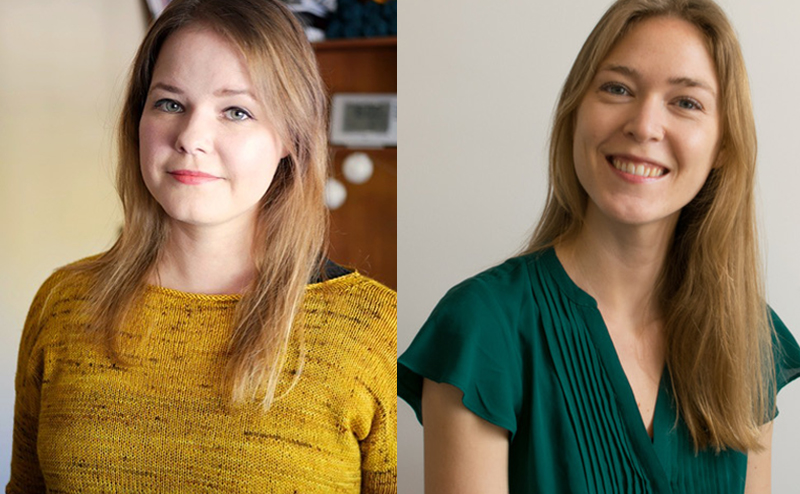
The DEC Equality&Diversity committee is hosting an event around the topic of mental health, with PhD students working on this topic giving a flash talk that day. The aim of the flash talks will be to highlight the work that is being done on this topic within and in collaboration with the DEC. A seminar will be given by an invited speaker, Dr Astrid Chevance. 

The symposium will be followed by a reception (29 rue d’Ulm, ground floor).

Invited speaker:

Gender balance at DEC

In an effort to address the gender balance at DEC and its evolution, an yearly evaluation of the gender of the members of the department (at different labs and positions) is made. The data collected can be used to develop strategies to improve gender balance at the department, and evaluate the impact of the efforts made.

The links between spatial and social perspective-taking

Being able to place yourself “in someone else's shoes” requires two main perspective-taking abilities. First, perceiving another’s spatial point of view (spatial perspective-taking) and second, representing their thoughts and intentions (hereafter social perspective-taking). Recent findings point towards critical links between the processing of higher-order mental information and lower-level spatial abilities using behavioural methods in neurotypicals, in patients, and using neuro-imaging.

Am I biased?

Take the Implicit Association Test (IAT) to find out if you are biased toward a specific group of people.

Negative stereotypes pervade people's lives. Its recognition is the first step towards fighting prejudice. A mindful awareness of your own implicit bias allows you to commit to positive actions to combat prejudice.

You can find bellow some concrete steps to diminish the impact of bias in your life.


Multisensory simulation of touch

Touch is at the boundary between the self, the body, and the environment. It is also a pivotal route for social interactions between individuals. Tactile interactions have been of particular interest in recent years and research suggests that touch can convey specific pro-social and affective signals, which cannot be communicated through any other sensory modality. However, our knowledge of what are the key parameters fostering the experience of touching and being touched during an interaction are limited, thus hindering our ability to simulate touch gestures with a virtual agent.